

As a hockey player, I’ve gone through injury treatment multiple times. Physical Therapy has been an important part of it. When visiting Chinatown in San Francisco, I experienced Chinese acupressure and interviewed the practitioners. Learning there are a few traditional Chinese ways to condition the body and treat the injuries, I was curious to find out how they have been connected to the western-style physical therapy we are familiar with today.
Long before modern physiotherapy existed, Chinese healers had long treated pain, stiffness and injury with their hands, simple tools and carefully designed movement. These practices grew out of Traditional Chinese Medicine (TCM), a system more than two thousand years old. TCM holds that health depends on the smooth flow of qi, or vital energy, through channels in the body called meridians. When that flow is blocked, pain and illness follow. Most Chinese physical therapies aim to release those blockages and restore balance.
01 ·
Tuina and acupressure
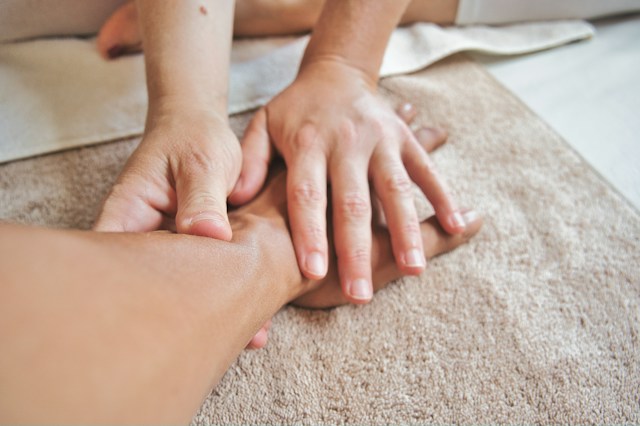
The most direct form of Chinese physical therapy is tuina, a word that means "push and grasp." A tuina practitioner kneads, rolls, presses and stretches muscles and joints, often far more vigorously than a relaxing spa massage. It is widely used for back and neck pain, sports injuries and stiff joints, and in China it is taught in medical universities and offered in hospitals. Acupressure works on the same principle with less force: firm finger pressure on specific points along the meridians to ease tension, headaches or nausea.
02 ·
Needles, heat and suction
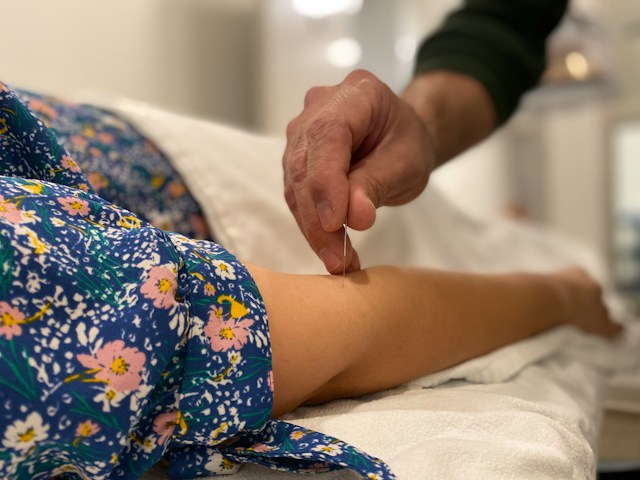
Acupuncture is the best-known Chinese therapy worldwide. Thin, sterile needles are inserted at chosen points and left in place for 15 to 30 minutes. Today it is used most often for chronic pain, such as low back pain, knee osteoarthritis and tension headaches. Moxibustion adds heat by burning dried mugwort near the skin, sometimes on the end of a needle.
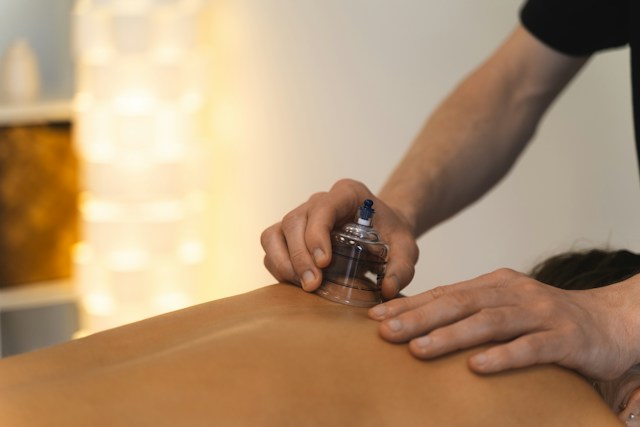
Two other techniques work on the surface of the body. In cupping, glass, bamboo or silicone cups create suction that lifts the skin and muscle. The round marks it leaves became famous when Olympic swimmers appeared with them at the 2016 Rio Games. Gua sha uses a smooth tool to scrape lubricated skin until light red marks appear, a practice believed to improve circulation.
03 ·
Movement as medicine
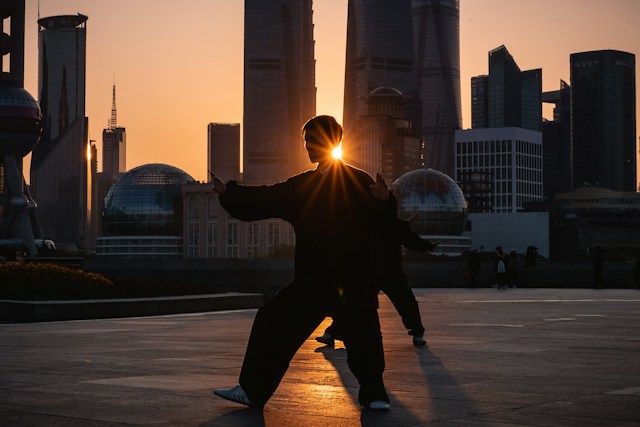
Chinese physical therapy is not only something done to a patient. Tai chi and qigong are gentle exercise systems that combine slow, flowing movement with deep breathing and mental focus. In parks across China, crowds of older people practise them every morning. Their benefits are easy to see in modern terms: better balance, flexibility and leg strength, and a calmer mind. Western physical therapists now borrow tai chi for fall prevention in older adults and for rehabilitation after illness.
04 ·
What the evidence says
Modern research supports some of these practices better than others. Reviews cited by the U.S. National Center for Complementary and Integrative Health find that acupuncture can ease chronic back, neck and knee osteoarthritis pain. In 2017 the American College of Physicians listed it among first-line non-drug treatments for chronic low back pain. Tai chi has its strongest evidence for improving balance and preventing falls in older adults. The evidence for cupping and gua sha is thinner. Safety depends on a trained practitioner; acupuncture needles, for example, must be sterile and used once.
Chinese physical therapy endures because it treats the body as a whole and asks patients to take part in their own healing. Used wisely, alongside modern medicine, these ancient techniques still have much to offer.
Research Notes
References
- National Center for Complementary and Integrative Health. "Acupuncture: Effectiveness and Safety." Accessed October 14, 2026.
- National Center for Complementary and Integrative Health. "Tai Chi: What You Need To Know." Accessed October 14, 2026.